
When an old dog is prescribed mirtazapine to stimulate appetite but still refuses food, it can be deeply concerning.
Appetite stimulants are often used when a dog is already unwell, so a lack of response may signal a more serious or progressing condition.
Table of Contents
Old Dog on Mirtazapine Still Not Eating: Why It Happens
An old dog that doesn’t eat even after starting mirtazapine is usually dealing with an underlying illness that suppresses appetite more strongly than the medication can stimulate it.
Severe nausea, organ failure, pain, neurological disease, or advanced infection can overwhelm the drug’s effects. In some cases, side effects or incorrect dosing may also reduce effectiveness.
When mirtazapine fails to improve appetite, it’s often a sign that the root cause needs urgent reassessment.
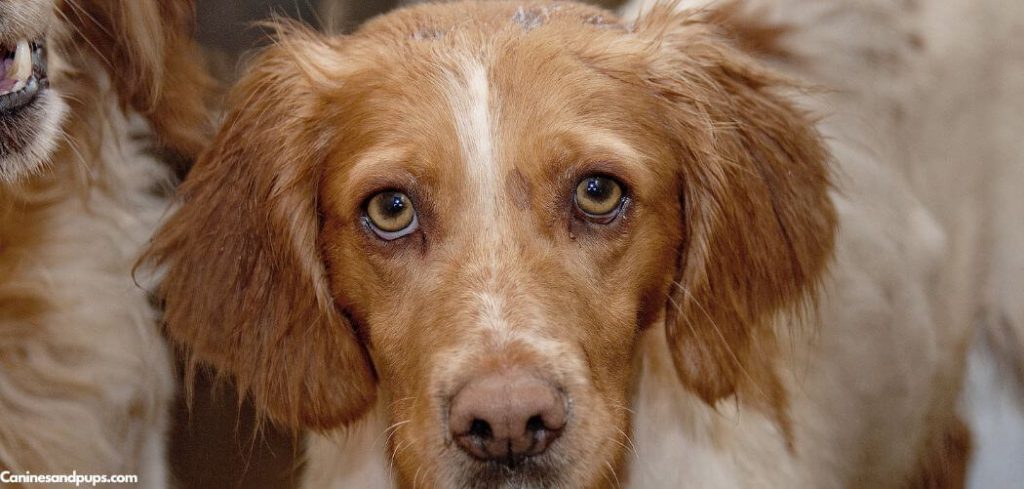
Old Dog on Mirtazapine Still Not Eating: Signs
If an older dog is still not eating despite being on Mirtazapine, it usually signals a deeper underlying issue that the medication alone isn’t addressing. Signs in this situation include:
Continued refusal to eat or very minimal food intake
Weight loss or visible muscle wasting
Lethargy or low energy levels
Nausea signs such as lip licking, drooling, or turning away from food
Vomiting or changes in stool in some cases
Weakness or reduced interest in normal activities
Old Dog on Mirtazapine Still Not Eating: Common Causes
Advanced Kidney Disease
Kidney disease is one of the most common reasons mirtazapine fails to restore appetite.
As toxins build up in the bloodstream, nausea becomes persistent and severe. Even strong appetite stimulants may not overcome the constant feeling of sickness.
Dogs may drink water but refuse food entirely, and uremic breath, mouth ulcers, and lethargy are often present.
In later stages, appetite stimulants alone are no longer sufficient without fluid therapy and supportive care.
Read more: Dog Diarrhea and Prednisone (Why it happens)
Nausea
Mirtazapine cannot override intense nausea. Conditions like pancreatitis, inflammatory bowel disease, gastric ulcers, or intestinal obstruction cause deep discomfort that suppresses hunger.
Dogs may approach food but recoil after smelling it or vomit shortly after eating.
In these cases, anti-nausea medications and pain control are required before appetite can return.
Liver Failure
Liver disease often causes appetite stimulants to fail. When the liver cannot properly filter toxins, dogs experience nausea, confusion, and malaise.
Mirtazapine may increase interest briefly, but eating often worsens symptoms, causing dogs to stop again quickly.
Neurological signs such as head pressing, staring, or disorientation may also appear.
Read more: Dog Prednisone and Incontinence (Why it happens)
Pain
Pain is a powerful appetite suppressant. Arthritis, spinal disease, cancer, dental pain, or abdominal discomfort can make eating undesirable.
While mirtazapine stimulates hunger signals in the brain, pain elsewhere in the body can override those signals completely.
Dogs in pain may pant, shift positions frequently, withdraw socially, or refuse to lower their head to eat.
Medication Side Effects
Mirtazapine does not work well for every dog. Some senior dogs experience agitation, vocalization, tremors, or gastrointestinal upset from the medication itself. In rare cases, these side effects worsen appetite rather than improve it.
Improper dosing, especially in dogs with kidney or liver disease, can reduce effectiveness or cause adverse reactions.
Cancer
Cancer often causes appetite stimulants to fail. Tumors release inflammatory substances that suppress appetite and alter metabolism.
Gastrointestinal cancers, abdominal masses, or metastatic disease can physically or chemically interfere with digestion and hunger cues.
In advanced disease, appetite loss may persist despite multiple medications.
Old Dog on Mirtazapine Still Not Eating: What to Do
Do not increase or adjust the medication dose without veterinary guidance.
Monitor your dog’s water intake, urination, and energy level closely. Dehydration can worsen nausea and further suppress appetite.
Offer soft, highly palatable foods approved by your veterinarian, and warm meals slightly to enhance smell. Hand-feeding may help some dogs feel encouraged without pressure.
Keep feeding times calm and predictable, and avoid forcing food, which can create aversion.
When to Call or Visit Your Vet
Contact your veterinarian immediately if your dog refuses food for more than 24 hours despite mirtazapine.
Urgent care is needed if appetite loss is paired with vomiting, diarrhea, weakness, confusion, tremors, collapse, or labored breathing.
A lack of response to appetite stimulants often means additional diagnostics or a change in treatment is necessary.
Old Dog on Mirtazapine Still Not Eating: Treatment
Treatment focuses on identifying why appetite stimulation is not effective. Your vet will typically perform further diagnostics, such as bloodwork, imaging, or additional tests, to uncover underlying conditions like organ disease, infection, or pain.
Treatment may involve adjusting the dose or frequency of Mirtazapine or switching to a different appetite stimulant. If nausea is present, anti-nausea medications are often added, as dogs will not eat if they feel sick.
In more serious cases, supportive care such as fluid therapy, assisted feeding, or short-term hospitalization may be necessary.
Addressing the root cause—rather than relying only on appetite stimulants—is key to restoring normal eating and improving overall health.
Key Takeaway
If an old dog is on mirtazapine and still not eating, the issue is rarely the medication itself — it’s usually the severity of the underlying disease.
Appetite stimulants can help mild to moderate illness, but they cannot overcome advanced organ failure, severe nausea, uncontrolled pain, or systemic disease.
Early reevaluation and supportive care are essential. When appetite stimulants fail, it’s your dog’s way of telling you something deeper needs attention — and listening quickly can make all the difference.


